The idea of tiny needles pricking your face sounds like something you would avoid, not book an appointment for. Yet microneedling has become one of the more talked-about treatments for skin texture, scarring and general dullness, with proven microneedling benefits for skin that extend well beyond anti-aging.
This article breaks down what microneedling actually does to your skin, who tends to see the most improvement, and what to realistically expect before you commit to a session.
Key Takeaways
- Microneedling works by triggering controlled micro-injuries that stimulate collagen, elastin and glycosaminoglycan production in the skin.
- Common microneedling benefits for skin include improved texture, smaller-looking pores, softer fine lines and better appearance of acne scars, stretch marks and pigmentation.
- Results build gradually over weeks to months and usually require multiple sessions rather than a single visit.
- Safety depends heavily on sterile technique, correct needle depth and a properly trained practitioner, which is why professional treatment differs significantly from at-home rollers.
What’s Actually Happening Under the Needles
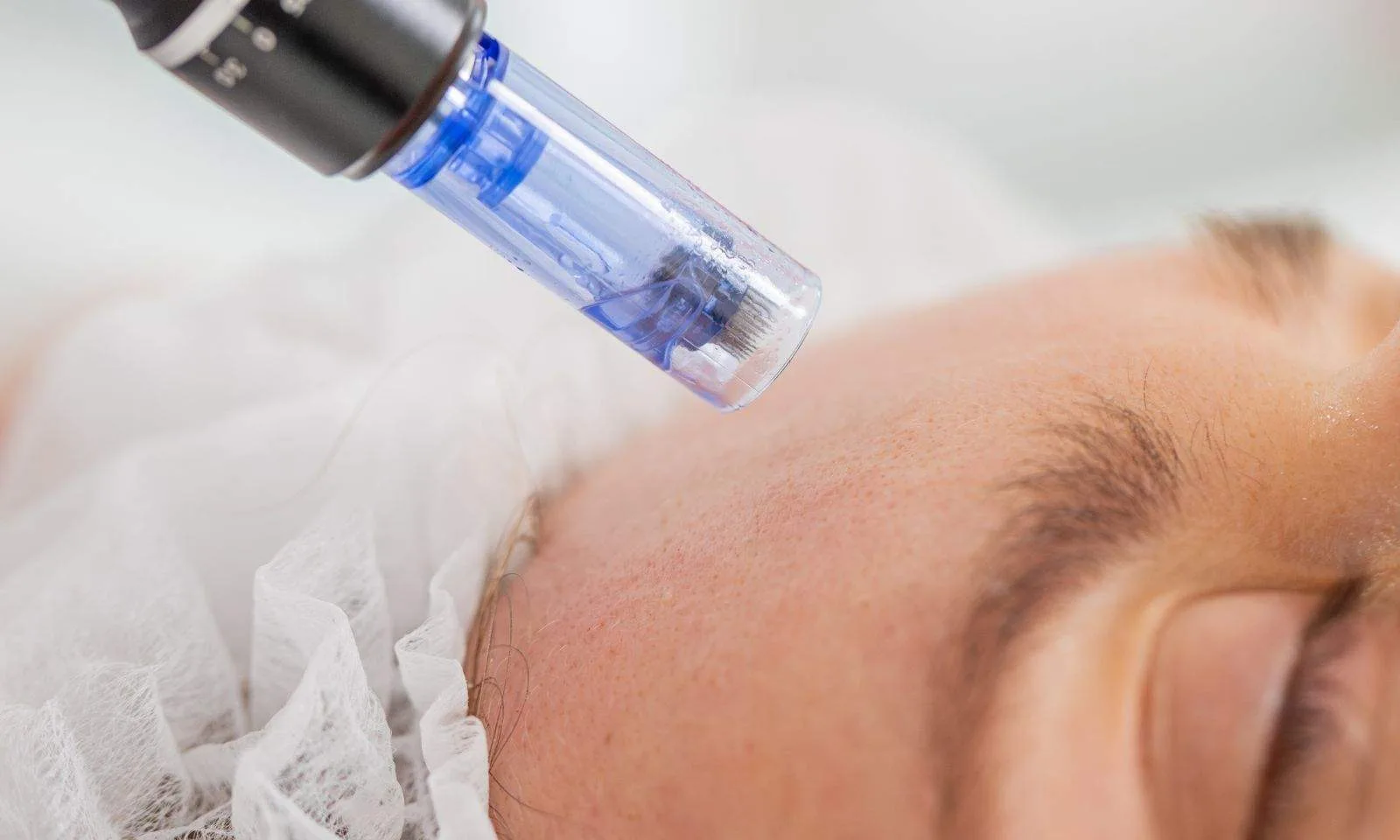
Microneedling is sometimes called collagen induction therapy, and that name explains the whole point of it. A device fitted with fine needles creates tiny, controlled punctures in the skin’s surface.
These micro-injuries are too small to see individually, but your skin still treats them as damage that needs repairing. In response, your body ramps up production of collagen, elastin and glycosaminoglycans, the proteins and compounds responsible for keeping skin firm, elastic and smooth.
Over time, this natural repair process is what leads to visibly better texture and tone. It is not an overnight fix, since improvements come from your own skin rebuilding itself.
Real Microneedling Benefits for Skin
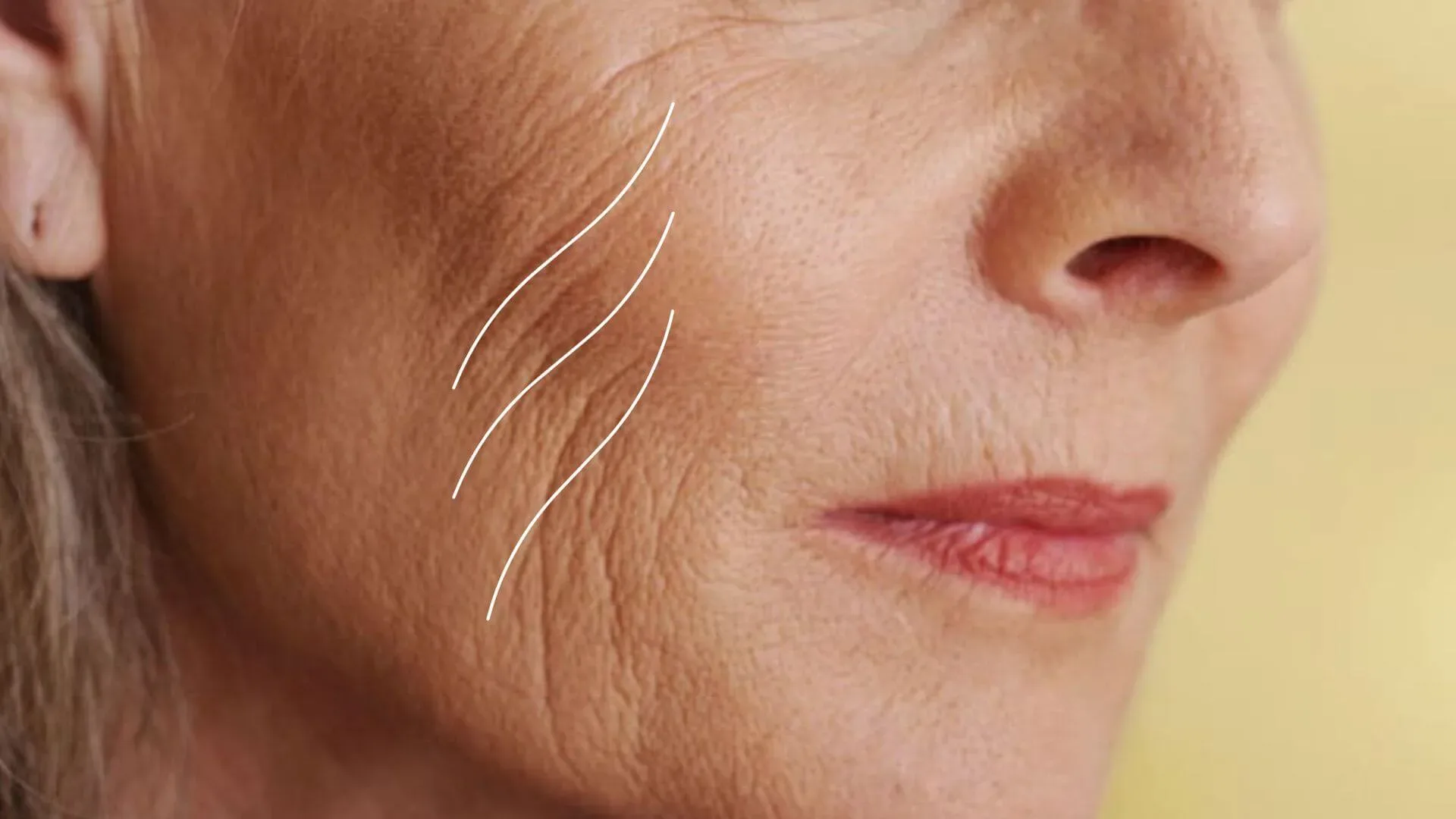
Microneedling gets pigeonholed as an anti-ageing treatment, but that undersells what it can actually help with. Clinical research points to a broader range of concerns that may respond to this treatment.
Fine Lines and Loss of Firmness
As collagen and elastin increase, skin can appear smoother and slightly firmer, particularly around areas prone to early ageing signs like the forehead and under-eyes.
Enlarged Pores
Improved collagen support around the pore lining may help pores appear smaller and less noticeable over time.
Acne Scars and Surgical Scars
Microneedling is one of the more established options for improving the appearance of atrophic acne scars and certain surgical scars, since remodelled collagen can help fill in depressed areas gradually.
Pigmentation and Melasma
Some studies suggest microneedling may help with uneven tone, sun spots and melasma, though pigmentation conditions can be sensitive to treatment and require careful assessment beforehand.
Stretch Marks
The same collagen-stimulating effect that helps facial scars has also shown promise for improving the texture and appearance of stretch marks on the body.
Who Actually Sees Results
Not everyone needs microneedling, and it is not automatically the right starting point for every skin concern. Generally, it tends to suit people dealing with mild to moderate acne scarring, early signs of aging, visible pores or textural dullness that skincare alone has not resolved.
People with darker Fitzpatrick skin types, which is common across Malaysia, can also benefit from microneedling, though pigment-related conditions like melasma need a more cautious approach. This is because darker skin can be more prone to post-inflammatory hyperpigmentation if treatment parameters are not adjusted correctly.
Active infections, unhealed wounds, certain skin conditions and some medications may mean microneedling is not appropriate at that time. This is exactly why a proper consultation before treatment matters more than picking a device off a menu.
Standard Versus RF Microneedling
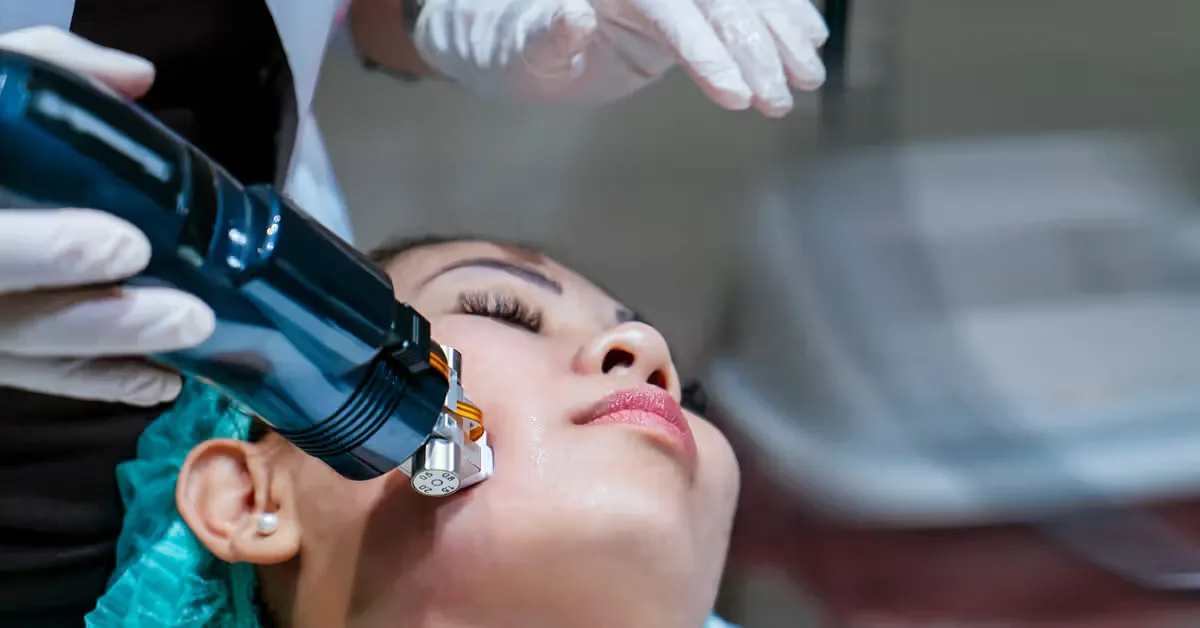
Standard microneedling and radiofrequency (RF) microneedling both use fine needles, but they are not interchangeable. RF microneedling adds a layer of thermal energy through the needle tips, which can enhance collagen remodelling further, particularly for deeper scarring or looser skin.
| Factor | Standard Microneedling | RF Microneedling |
|---|---|---|
| Mechanism | Mechanical micro-injury only | Micro-injury plus thermal energy |
| Best suited for | Texture, pores, mild scarring | Deeper scars, skin laxity, tightening |
| Typical downtime | A few days of redness | Similar, sometimes slightly longer |
| General price positioning in Malaysia | Lower to mid range | Higher, given added technology |
Neither option is universally “better”. The right choice depends on the specific concern, skin condition and what a practitioner assesses as appropriate.
Needle Depth and Doctor Matter Most
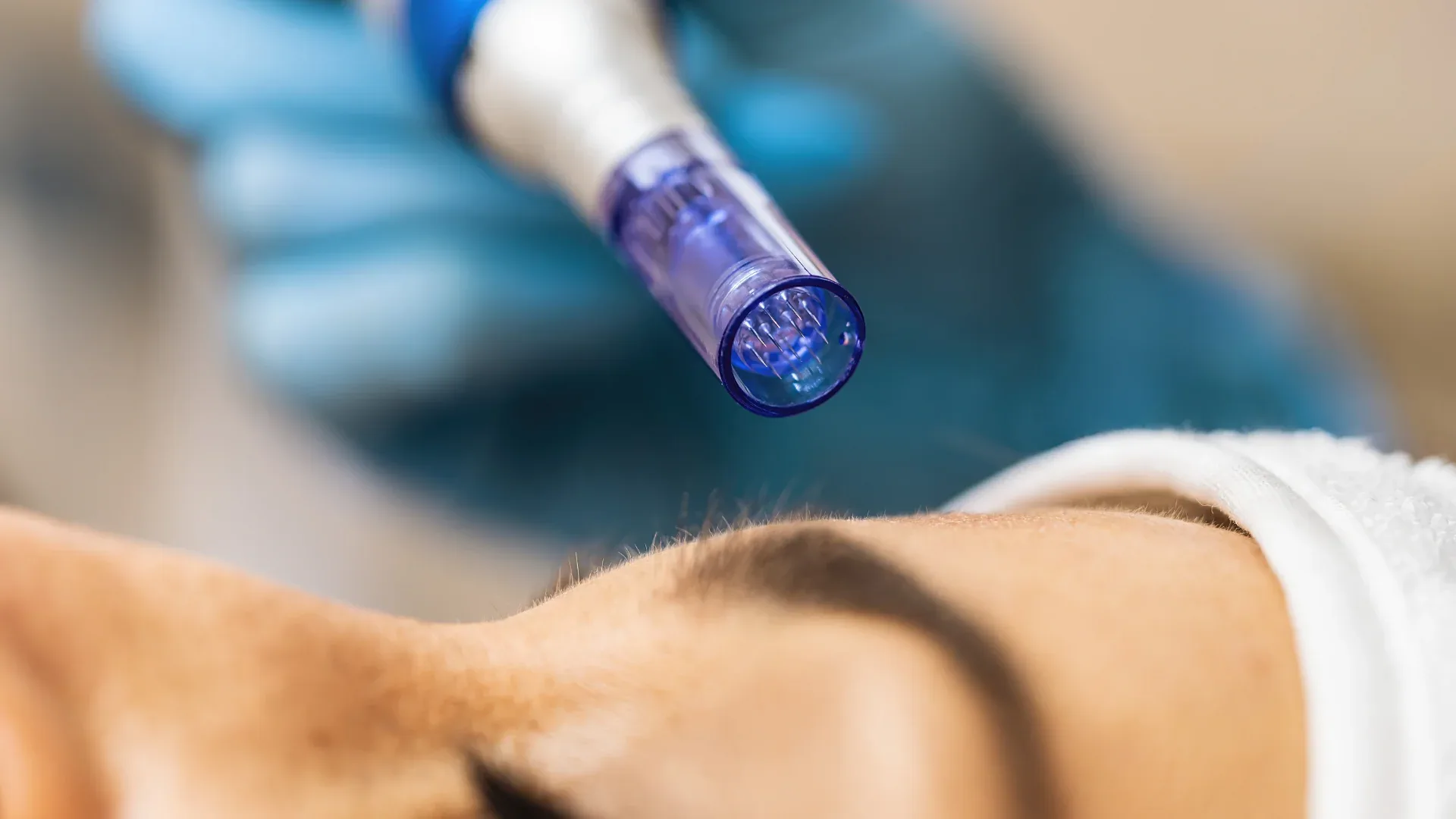
One of the biggest misconceptions is that microneedling is low-risk enough to try casually, including at-home rollers sold online. Professional devices are regulated precisely because incorrect depth, poor sterilisation or inconsistent technique can lead to infection, uneven results or worsened scarring.
In a proper clinical setting, treatment should start with an assessment of your skin type, concern and medical history before any needles come near your face. Sessions are typically spaced weeks apart to allow the skin to complete its repair cycle, and most people need more than one session to see meaningful change.
Redness, mild swelling and pinpoint bleeding are common immediately after treatment, but these usually settle within a few days when performed correctly. At MyBliss Clinic, microneedling is offered as part of a broader range of skin rejuvenation and scar-focused treatments, guided by an LCP-certified aesthetic doctor who can assess whether it suits your specific skin concern before recommending a treatment plan.
Worth the Tiny Needles
Microneedling is not a miracle treatment, and it will not undo years of sun damage or deep scarring in one visit. What the evidence does support is a gradual, collagen-driven improvement in texture, firmness, pores and certain types of scarring and pigmentation, provided it is done by a trained professional using appropriate technique.
If you are curious whether microneedling suits your skin concerns, the most useful next step is a proper consultation rather than guesswork.
Redness, mild swelling and pinpoint bleeding are common immediately after treatment, but these usually settle within a few days when performed correctly.
At MyBliss Clinic, microneedling is offered as part of a broader range of skin rejuvenation and scar-focused treatments, guided by an LCP-certified aesthetic doctor who can assess whether it suits your specific skin concern before recommending a treatment plan.