Hyperpigmentation, dark spots, uneven skin tone, and post-acne marks, remains one of the most common skin concerns in Malaysia. While daily skincare can prevent some pigmentation, stubborn or deep discoloration often requires professional intervention. Choosing the right clinic and treatment is essential to see meaningful results safely and efficiently.
This article explores the treatment options available in Malaysia, how clinics approach hyperpigmentation, and what patients can expect from professional care.
Key Takeaways
- Hyperpigmentation can be caused by sun exposure, acne scars, hormonal changes, or post-inflammatory responses.
- Clinic-based treatments in Malaysia range from chemical peels to laser therapies and topical prescription solutions.
- Effectiveness depends on skin type, pigmentation depth, and consistent follow-up care.
- Choosing a reputable clinic with experienced dermatologists or aesthetic doctors improves results and safety.
- Combining multiple treatments and proper aftercare often delivers the best outcomes.
Understanding Hyperpigmentation
Hyperpigmentation occurs when melanocytes overproduce melanin, leading to darker patches on the skin. Common types include:
- Melasma – often linked to hormonal changes, affecting cheeks, forehead, and upper lip.
- Post-inflammatory hyperpigmentation (PIH) – dark spots left after acne, eczema, or minor skin injuries.
- Sun-induced pigmentation – caused by prolonged UV exposure, typically on exposed areas like the face and hands.
Treatment requires both addressing existing pigmentation and preventing future darkening through sun protection, maintenance care, and lifestyle adjustments. Patients are advised to adopt broad-spectrum sunscreen use, avoid prolonged sun exposure, and maintain proper skincare routines to complement professional treatments.
Popular Clinic Treatments for Hyperpigmentation in Malaysia
1. Chemical Peels
Chemical peels involve applying an acid solution to exfoliate the skin’s surface, promoting new skin growth.
Benefits:
- Reduces superficial pigmentation and improves skin texture
- Stimulates collagen production
- Minimal downtime depending on peel strength
Common Acids Used:
- Glycolic acid
- Salicylic acid
- Trichloroacetic acid (TCA)
Clinic Considerations:
- Multiple sessions are typically required for optimal results
- Suitable for mild to moderate pigmentation
- Ideal for patients looking for gradual improvement without invasive procedures
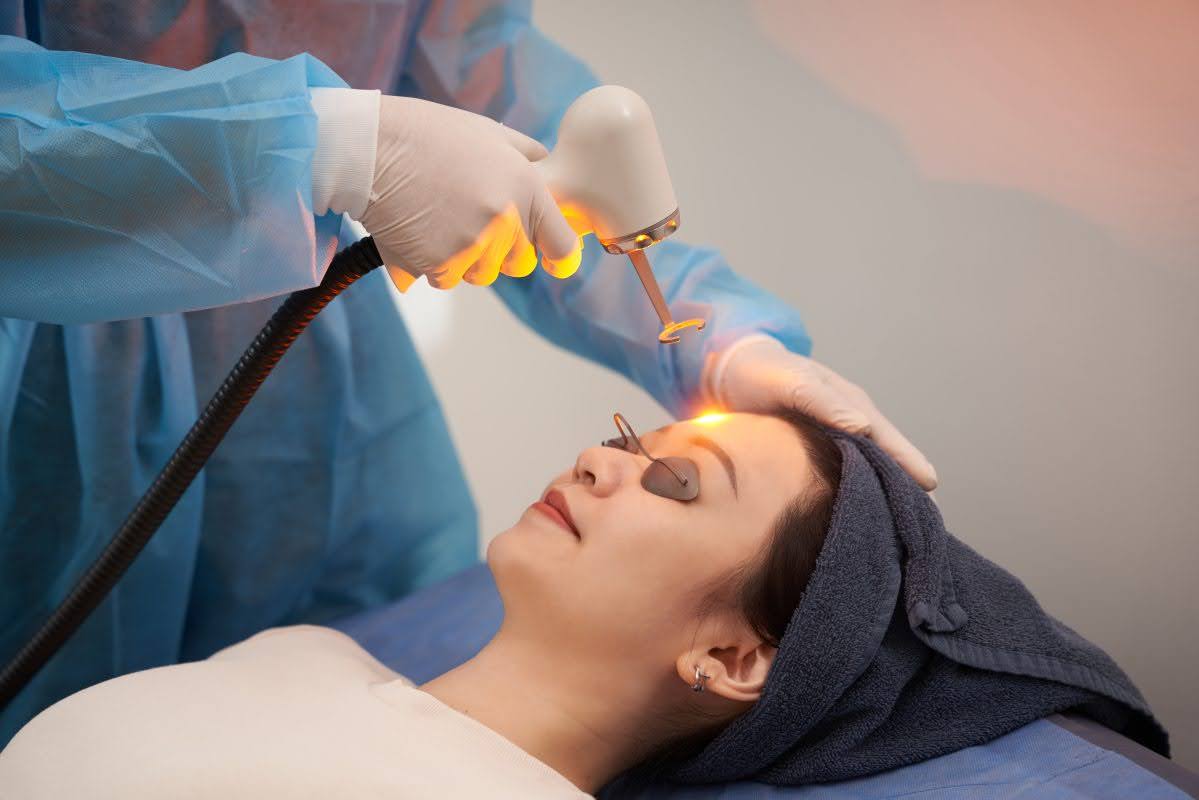
2. Laser Treatments
Laser therapies target melanin directly, breaking down pigment particles so the body can naturally remove them.
Popular Laser Options:
- Q-switched Nd:YAG laser – effective for dark spots and PIH
- Fractional laser – treats deeper pigmentation and improves skin texture
- Picosecond laser – precise, fast, and suitable for stubborn spots
Benefits:
- Rapid improvement in stubborn pigmentation
- Can be combined with other treatments for enhanced results
- Minimal downtime depending on laser type and intensity
Clinic Considerations:
- Requires professional assessment to determine laser type and intensity
- Multiple sessions are often needed for significant improvement
- Post-treatment sun protection is critical, as treated skin is more sensitive to UV exposure
3. Topical Prescription Treatments
Some clinics offer dermatologist-prescribed creams that contain active ingredients to lighten pigmentation over time.
Common Ingredients:
- Hydroquinone
- Retinoids (tretinoin)
- Kojic acid
- Azelaic acid
- Cysteamine (An active ingredient of Cyspera)
Benefits:
- Gradual fading of dark spots
- Can be used in combination with other treatments
- Suitable for sensitive skin or maintenance
Clinic Considerations:
- Requires consistent use and professional monitoring
- May take several weeks to months to see visible improvement
- Often used in combination with peels or lasers to maintain results
4. Microneedling and Combination Therapies
Microneedling creates controlled micro-injuries to stimulate collagen, sometimes combined with topical lightening agents or platelet-rich plasma (PRP).
Benefits:
- Improves skin texture and reduces pigmentation depth
- Enhances absorption of brightening serums
- Minimal downtime compared to aggressive procedures
Clinic Considerations:
- Best for uneven skin tone or mild scarring with pigmentation
- Requires multiple sessions for visible results
- Can be combined with lasers or chemical peels for enhanced effect
Choosing the Right Clinic in Malaysia
When considering hyperpigmentation treatments, look for clinics that provide:
- Experienced dermatologists or licensed aesthetic doctors
- Comprehensive skin assessments before recommending treatments
- Evidence-based treatment plans, tailored to skin type and pigmentation depth
- Transparent pricing and follow-up care
- Access to multiple treatment modalities to create personalised combinations
Tips for Patients:
- Schedule a consultation to discuss goals and realistic outcomes
- Ask about treatment packages and session requirements
- Check clinic reviews and before-after results
- Confirm availability of post-treatment support and guidance
Final Thoughts
Hyperpigmentation treatments in Malaysia offer a variety of options, from chemical peels and lasers to topical prescription creams and microneedling. The key to effective results is a combination of professional assessment, safe treatment selection, and consistent aftercare.
Patients who choose reputable clinics, follow recommended protocols, and maintain proper sun protection can achieve clearer, more even-toned skin while minimizing risks and downtime.
For Malaysians seeking lasting improvement, investing in professional treatment is often more effective than relying solely on over-the-counter products. Combining treatments, understanding the nature of your pigmentation, and adhering to post-treatment care ensures long-term results and healthier, radiant skin.