If you have been searching for a way to erase stretch marks completely, you have probably browsed aesthetic clinic services and noticed the same question everywhere: can stretch marks really fade, or is that just clever marketing?
The honest answer sits somewhere in between hope and hype.
This article breaks down what stretch marks actually are, what treatments can realistically achieve, and how to set expectations that match the medical evidence rather than the promises on a product label.
Key Takeaways
- Stretch marks are a form of scarring, so no treatment removes them completely, but many options can visibly reduce their colour, width and texture.
- Newer red or purple stretch marks tend to respond better to treatment than older, mature white ones.
- Evidence-based options such as microneedling, laser and radiofrequency treatments generally show the most noticeable improvement, though results develop gradually over multiple sessions.
- A proper assessment by a medical professional helps match the right treatment to your skin type, mark age and goals.
Can Stretch Marks Really Fade?
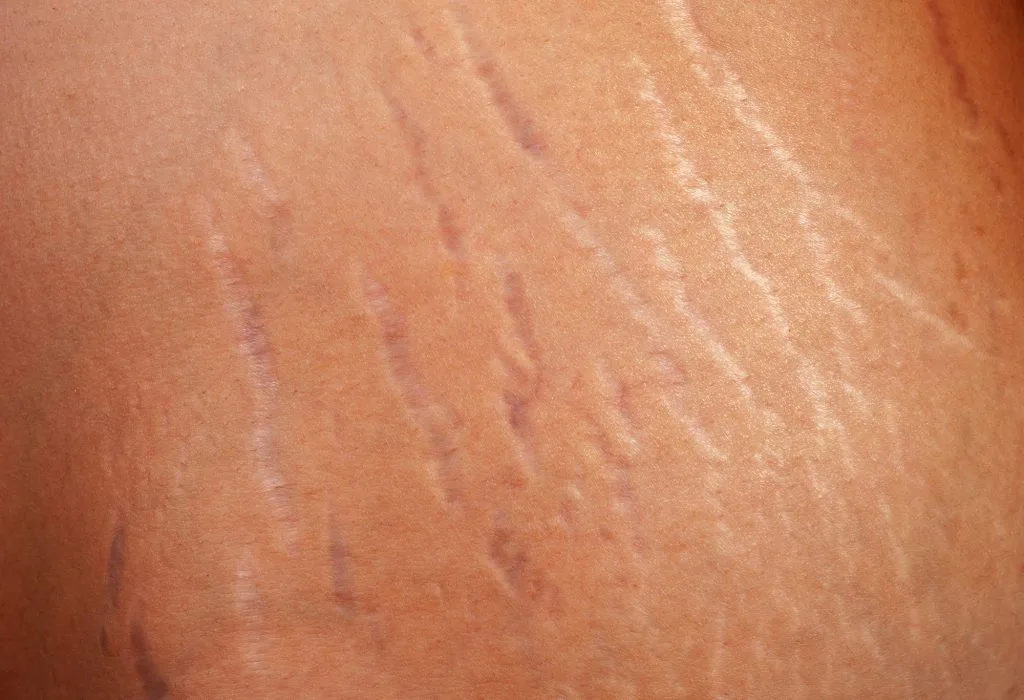
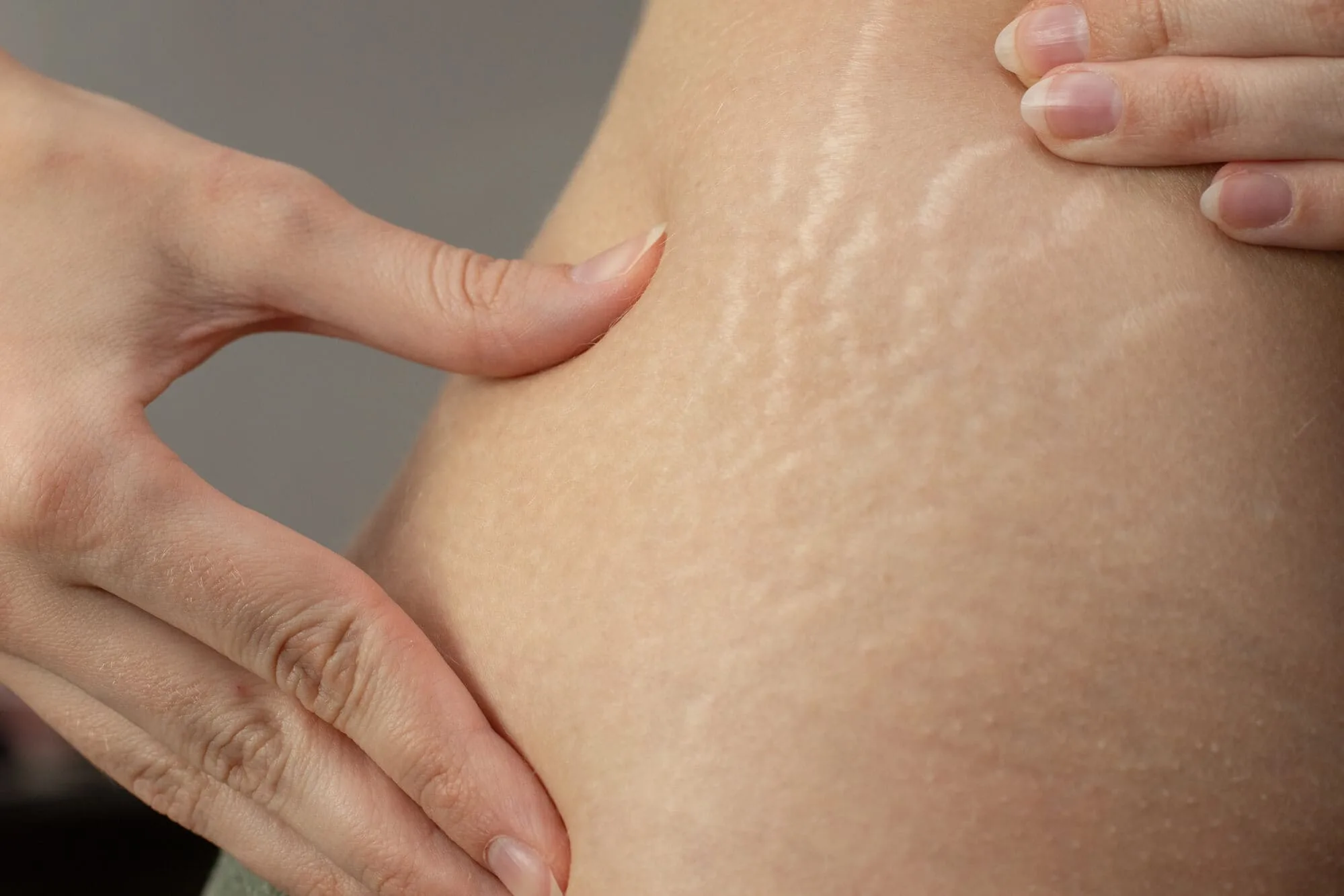
Stretch marks form when the skin stretches faster than its collagen and elastin can keep up, often during growth spurts, pregnancy, weight changes or prolonged steroid use.
What forms underneath is essentially a type of internal scar, and like most scars, it does not disappear entirely on its own.
That said, fading does happen naturally to some extent. Early stretch marks that appear red, purple or dark tend to lighten over time as they mature, eventually settling into paler, silvery lines.
Mature white stretch marks, however, are generally more stable and far less likely to change much without some form of intervention.
This is why honest framing matters. Treatments can improve how stretch marks look in terms of colour, texture and width, but they are not designed to make them vanish completely.
New Marks vs Old Marks
One detail that gets lost in most stretch mark advice is that the age of your marks changes what is realistically achievable.
Newer marks still carry some blood supply and inflammation, which is partly why they respond differently to certain treatments compared to older, paler ones.
Fresh, Red or Purple Stretch Marks
These are considered the easier stage to work with. Prescription-strength topical retinoids and vascular-targeting treatments tend to have more to work with at this stage, since the skin is still actively remodelling.
Mature, White or Silvery Stretch Marks
Once a stretch mark has matured and lost its pigment, it behaves more like established scar tissue. Texture-focused approaches such as microneedling or fractional laser tend to be more relevant here, since the goal shifts from colour correction to smoothing and blending the surface.
What Treatments Can Actually Achieve
There is no single treatment proven to work best for everyone, and this is backed by major medical bodies who note that outcomes depend heavily on skin type, mark age and consistency of treatment.
Here is a realistic look at the categories most commonly used.
Topical Retinoids
Prescription retinoids can help stimulate collagen production in newer stretch marks, potentially improving colour and texture over weeks to months.
They are generally not recommended during pregnancy or breastfeeding, so a medical consultation is important before starting this route.
Microneedling
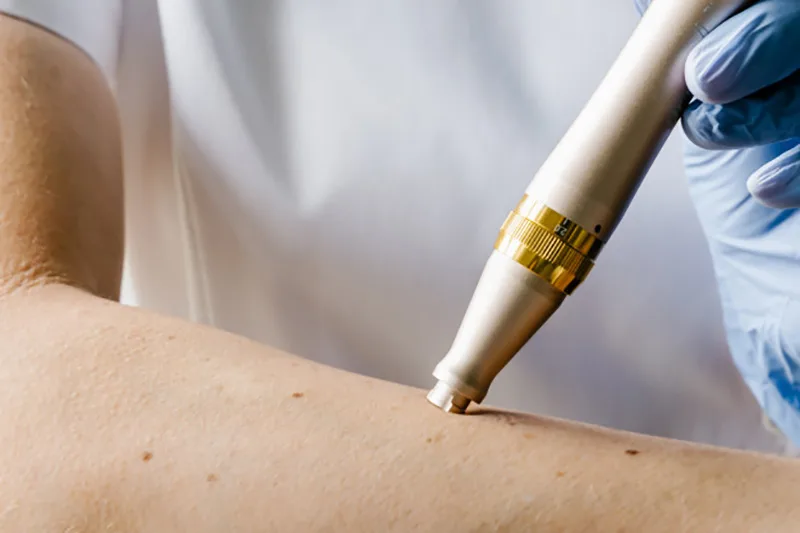
Microneedling creates controlled micro-injuries that encourage the skin to remodel collagen. Reviews of multiple studies have found it can produce modest to partial improvement in stretch mark appearance, and it is often considered one of the more consistently effective options across different mark types.
Laser and Light-Based Treatments
Fractional lasers, vascular lasers and similar energy-based devices work by targeting either pigment concerns or texture, depending on the device and settings used.
These are among the treatments with the strongest evidence for visible improvement, though results are usually described in terms of noticeable improvement rather than complete removal.
Radiofrequency and RF Microneedling
Combining radiofrequency energy with microneedling adds a thermal element that may support deeper collagen remodelling, which can be particularly relevant for textured or indented stretch marks.
Chemical Peels
Peels using acids such as glycolic acid can help refine skin texture and tone, though the evidence for their effect specifically on stretch marks is comparatively weaker than for energy-based options.
Realistic Treatment Timelines
One of the most common frustrations patients report is expecting quick results and being disappointed when nothing changes after one session.
Collagen remodelling takes time, and most evidence-based treatments require multiple sessions spread across weeks or months before an improvement becomes visible.
Depending on the technology and the individual’s skin, some studies describe improvement in the range of moderate to noticeably better appearance rather than complete disappearance.
Patience and consistency matter here more than intensity.
| Treatment | Best Suited For | Typical Sessions Needed |
|---|---|---|
| Topical retinoids | New red or purple marks | Ongoing, several weeks to months |
| Microneedling | Both new and mature marks | Multiple sessions, spaced weeks apart |
| Fractional laser | Texture and tone improvement | Several sessions over months |
| RF microneedling | Textured or indented marks | Multiple sessions |
| Chemical peels | Mild surface improvement | Several sessions |
Why Professional Assessment Matters
With so many product claims and treatment options available, it is easy to try something that simply is not suited to your skin type or the age of your stretch marks.
Darker skin types in particular need careful consideration when it comes to laser or energy-based treatments, since incorrect settings can increase the risk of pigment changes.
A proper assessment by a trained medical professional helps identify whether your marks are still active or already mature, what your skin type can safely tolerate, and which combination of treatments is realistic for your goals.
MyBliss Clinic offers stretch mark treatment as part of our conditions-focused approach to body concerns, guided by an LCP-certified aesthetic doctor who can assess your skin before recommending any course of action.
Rather than chasing a one-size-fits-all fix, the aim is to match the treatment to what your skin genuinely needs.
Next Steps
Stretch marks are common, and wanting them to look less noticeable is a completely valid goal, even if complete removal is not medically realistic.
What treatments can offer is genuine, evidence-supported improvement in colour, texture and overall appearance, achieved gradually and safely under proper medical guidance.
If you would like to understand what is realistically achievable for your own skin, a consultation is the most reliable starting point.
You can reach out to MyBliss Clinic to arrange a consultation and get an honest, personalised assessment of your stretch marks before deciding on any treatment plan.